ADAS Calibration & Safety System Recalibration in Lewisville
Most drivers don't know this: your car's safety systems — lane keep, automatic braking, blind spot monitoring, adaptive cruise — have to be recalibrated after a collision repair, windshield replacement, or suspension work. We calibrate to OEM spec, scan pre- and post-repair, and hand you the verification printout.
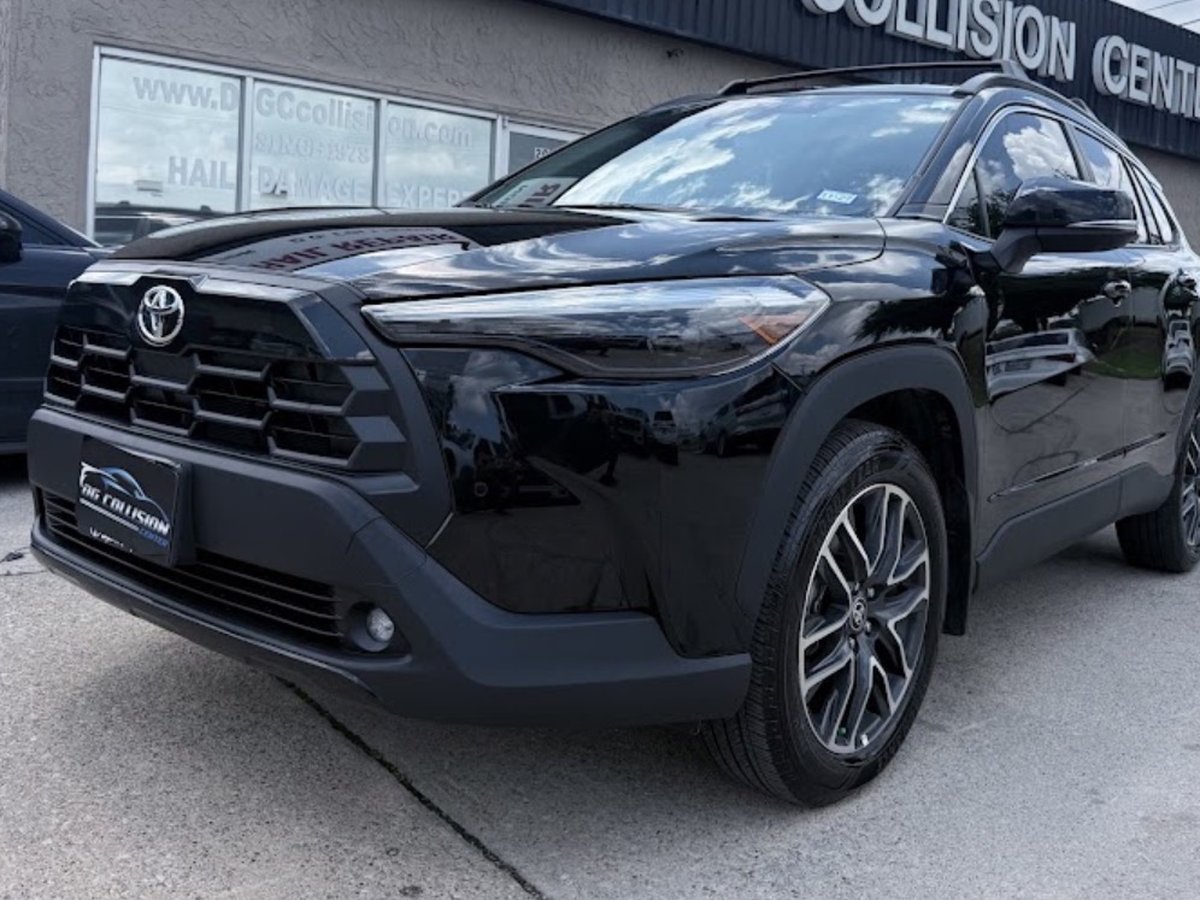
After a windshield replacement, bumper repair, or structural work, your car's safety systems — lane keep, automatic braking, blind spot, adaptive cruise — must be recalibrated, and DG Collision Center does it in-house: typically $75–$1,500 per operation depending on the system, scheduled with our calibration specialists inside the repair timeline and verified with a printed report. Every calibration is verified with a post-repair scan.
- Required, not optional — a camera or radar a few degrees off means lane-keep and emergency braking read the road wrong.
- $75–$1,500 per operation — static and dynamic calibrations across cameras, radar, and sensors, priced on the written estimate.
- In-house, about a day — no dealership appointment drag at the end of your repair.
- Post-repair scan on every job — no active fault codes at delivery, documented.
What Is ADAS
Advanced Driver Assistance — And Why Calibration Isn't Optional
ADAS stands for Advanced Driver Assistance Systems — the layer of safety tech built into virtually every vehicle sold in the last decade. Lane keep assist. Automatic emergency braking. Blind spot monitors. Adaptive cruise control. Forward collision warning. Parking sensors and 360-degree cameras. If your car is a 2016 or newer, it almost certainly has at least one of these systems, and if it is 2020 or newer, it probably has several working together.
These systems rely on a network of cameras, radars, and ultrasonic sensors positioned around the vehicle — behind the windshield, in the front bumper, at the corners, along the rear bumper, in the side mirrors. Each sensor is aimed to an extremely tight tolerance at the factory. A forward-facing camera calibrated one-tenth of a degree off can cause lane keep assist to steer you the wrong direction at highway speed. A radar mounted a few millimeters below spec can cause automatic emergency braking to misjudge closing distance by feet.
Which is why any repair that disturbs a sensor requires recalibration. Windshield replacement moves the forward camera. Bumper work disturbs the front radar. Suspension repair changes the vehicle's ride height, which changes every radar and camera angle. Wheel alignment shifts the thrust line. Airbag deployment slams impact sensors. A shop that skips calibration after any of this is leaving your safety systems silently out of spec. They will not light up a warning light. They will just work incorrectly — until the moment you need them.
DG Collision Center performs specialist-partner ADAS calibration using Autel MaxiSys ADAS target boards, Bosch DAS 3000 dynamic calibration tools, Hunter HawkEye Elite alignment verification, and direct OEM scan-tool access for every major manufacturer. Pre-repair scan, alignment verification, static or dynamic calibration per the OEM procedure, post-repair scan, and a printed report in your file — every time. Most ADAS calibration in DFW gets subletted to a third party or skipped entirely; we schedule it with our vetted calibration specialists inside the repair timeline and verify the printed report ourselves. We're the closest shop that manages ADAS calibration end to end for Highland Village, so glass and bumper shops in that corridor send windshield-replacement cars to us for camera recalibration on the same day. Whether you searched for ADAS calibration Lewisville, windshield calibration DFW, camera recalibration near me, Honda Sensing calibration, Toyota Safety Sense recalibration, or Tesla Autopilot camera calibration, you're looking for exactly this — and that's what we do. Calibration is often part of a larger job: our collision repair, Tesla body shop, aluminum repair, and frame straightening customers get ADAS calibration included as part of their repair. Send us your vehicle's year, make, and recent repair history and we'll tell you quickly which systems need calibration.
Real Calibrations · DFW Vehicles
ADAS BEFORE & AFTER
Drag the slider to see the verification — scan reports, target setups, and the printed proof we hand every customer.
 Before
After
Before
After
The Sensor Zone, Rebuilt
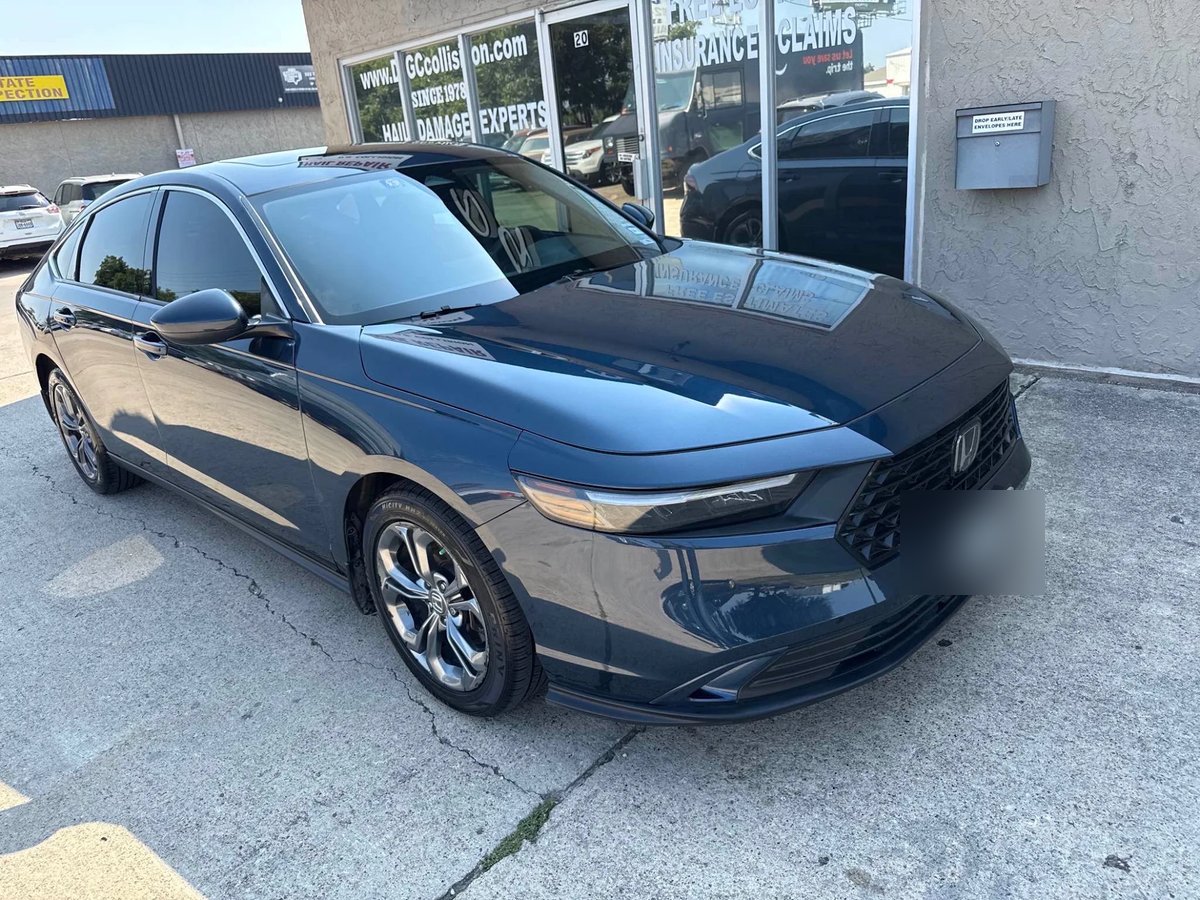
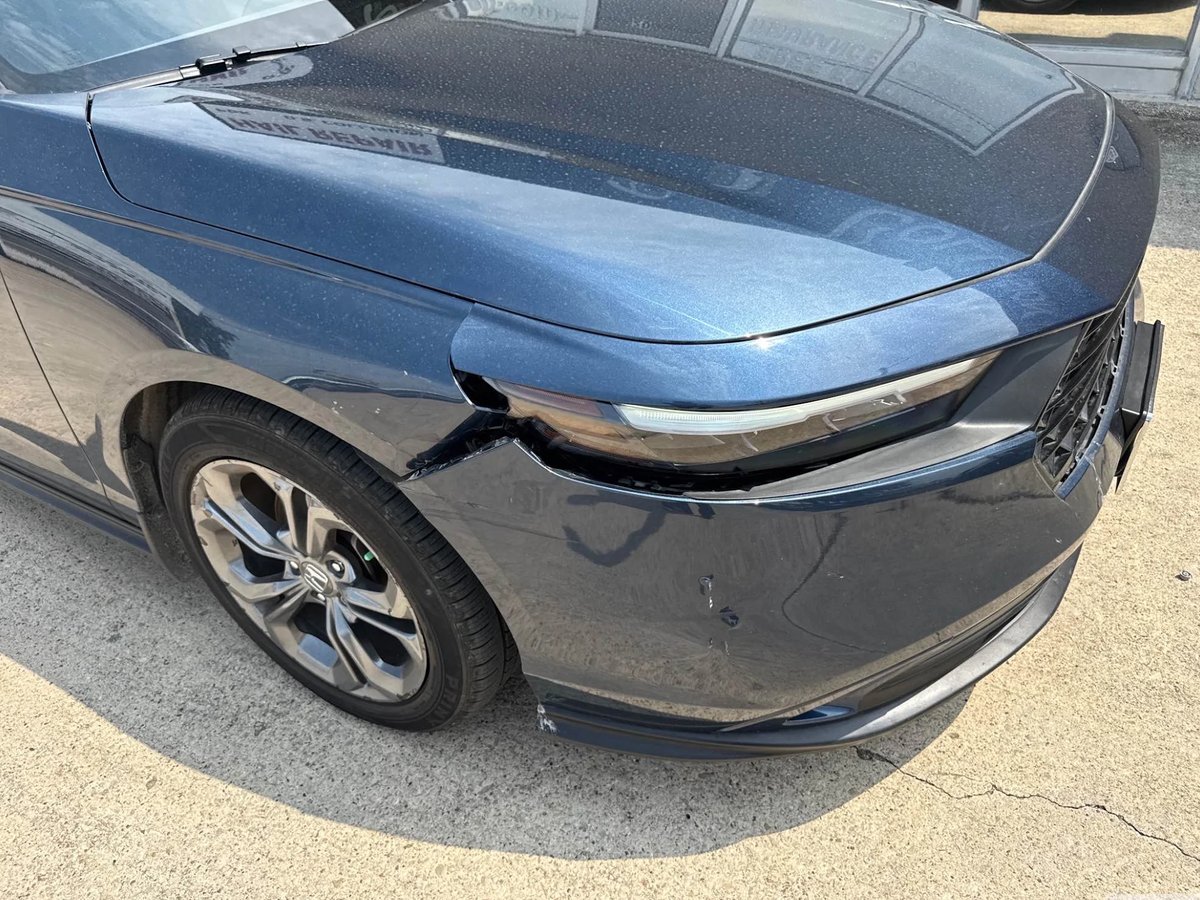
Pictured: a customer’s Honda Accord — front-end repair in radar-and-camera country; function checks follow the metal work
 Before
After
Before
After
Mirrors & Pillars — Camera Territory
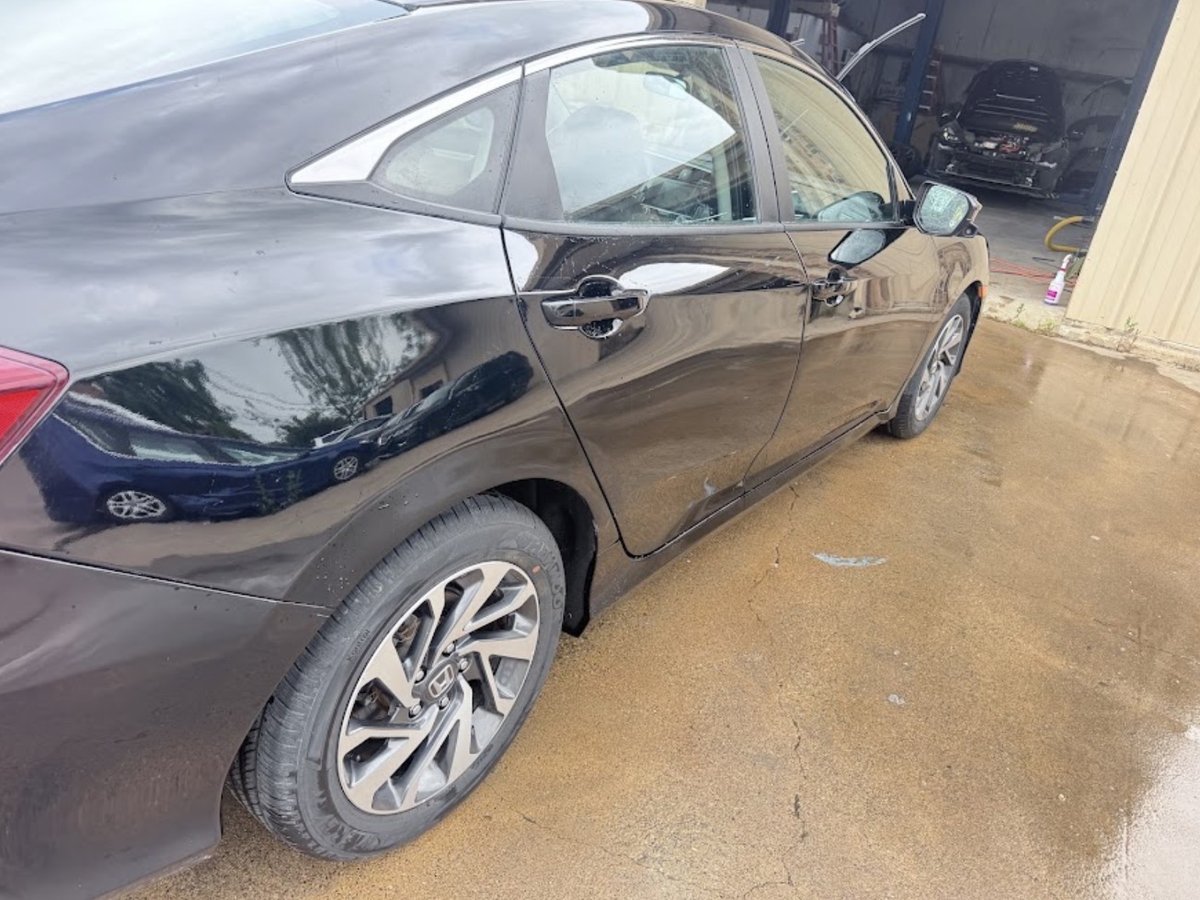
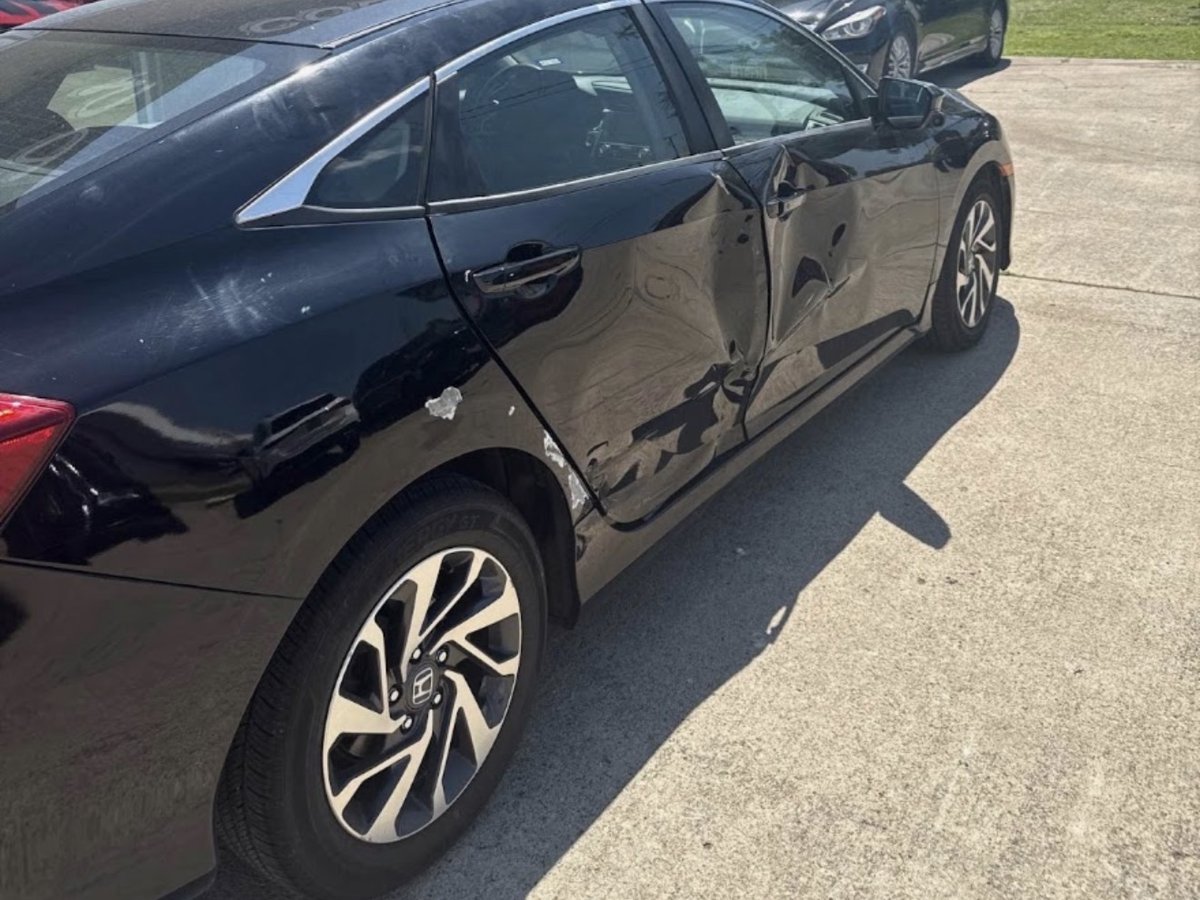
Pictured: a customer’s Honda Civic — side repairs cross mirror and B-pillar sensor real estate on many models
 Before
After
Before
After
Camera-Class Front Repair
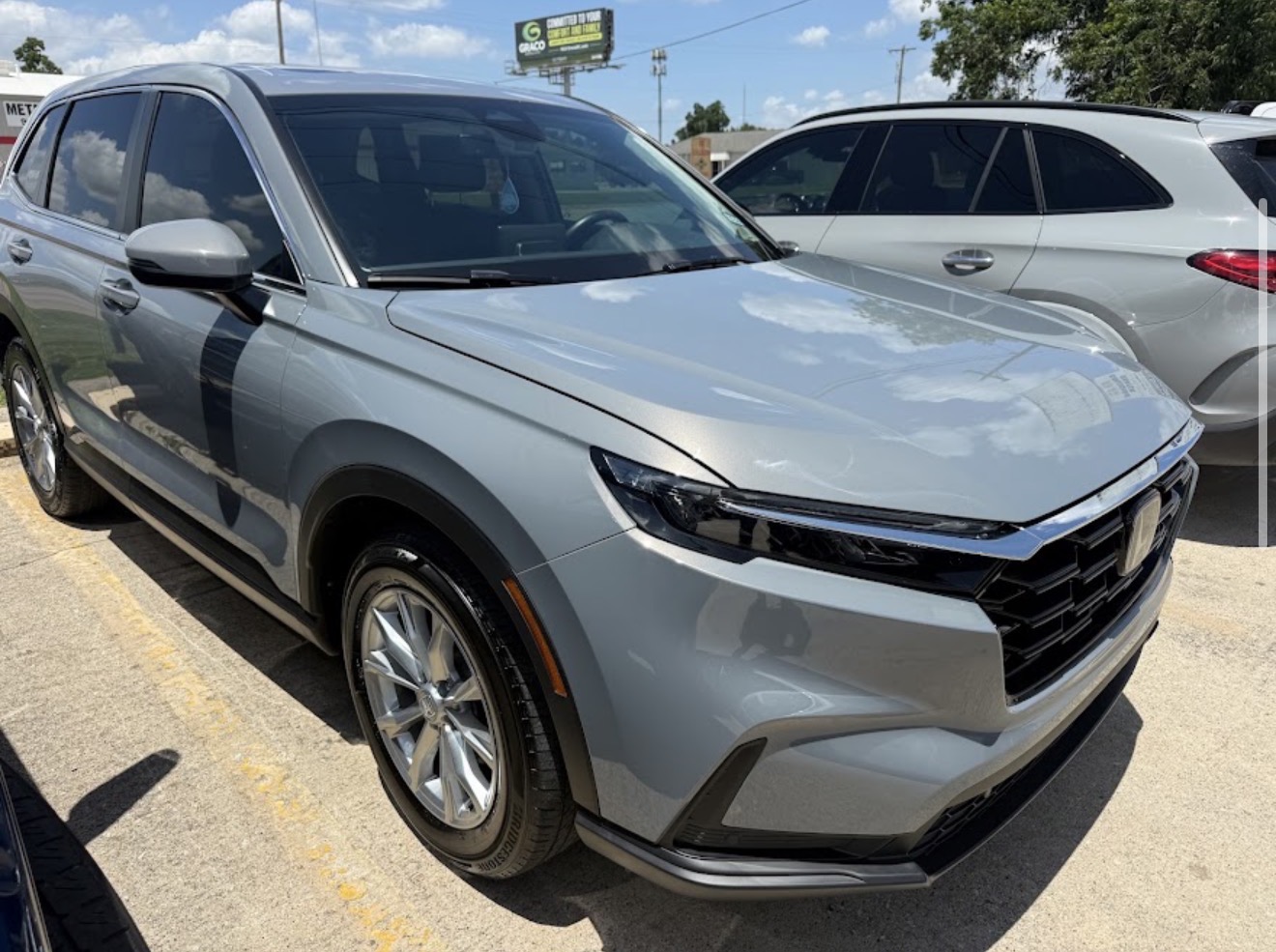
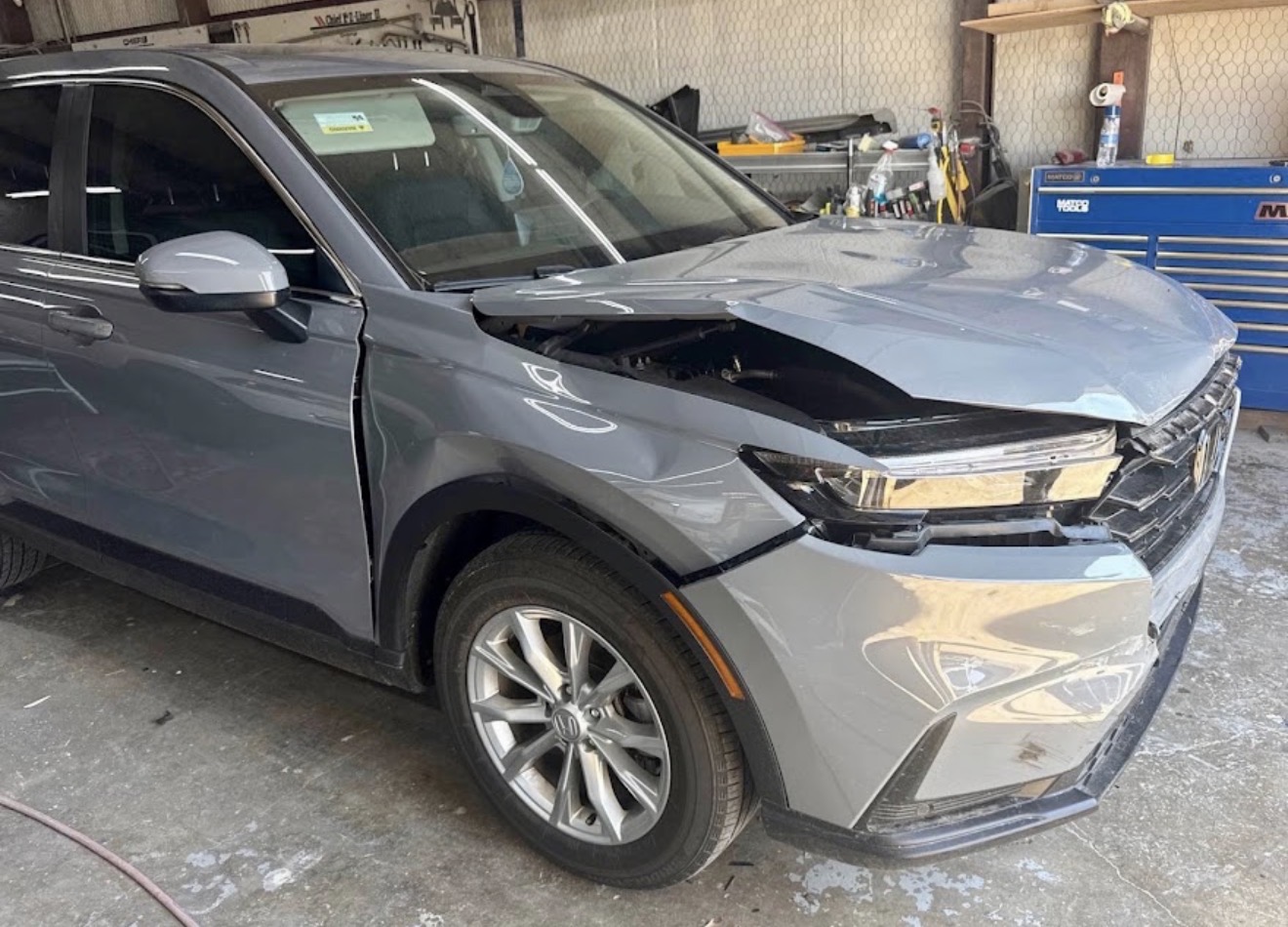
Pictured: a customer’s Honda CR-V — the repair class that ends with a calibration report through our specialist partners, filed with delivery
WARNING LIGHTS ON AFTER A RECENT REPAIR?
Most mean your ADAS is out of calibration. We'll scan your vehicle and tell you exactly what needs recalibration — fast, and free.
What We Calibrate
ADAS SYSTEMS WE CALIBRATE
Every ADAS feature built into modern vehicles relies on a camera, radar, or sensor that has to be aimed and verified to OEM spec. These are the systems we recalibrate through our specialists.
Adaptive Cruise Control
Radar mounted in the front bumper or grille maintains a set following distance from the car ahead. Required recalibration after any front bumper work, collision, or grille replacement. Every major OEM specifies a target-board aim for this sensor.
Lane Departure & Lane Keep Assist
Forward-facing camera behind the windshield reads lane markings. Always needs recalibration after windshield replacement (the camera's position and angle change when the glass is removed and reseated). Also required after any ride-height change.
Automatic Emergency Braking (AEB)
Fusion of forward camera and front radar. Both sensors must be calibrated together per OEM procedure. Miscalibration is high-stakes here — misjudging closing distance in a panic-stop scenario affects whether the car stops in time.
Blind Spot Monitoring
Rear bumper corner radars scan for vehicles in adjacent lanes. Required after any rear bumper repair, replacement, or refinish. Aim is verified with dedicated target-board alignment or OEM-specified angle measurement.
Parking Assist & 360° Cameras
Ultrasonic sensors (bumpers) and up to four cameras (front, rear, sides) stitch together a bird's-eye view. Calibration ties each camera's field-of-view boundary to the correct vehicle reference points so the composite image doesn't show phantom obstacles or blind corners.
Forward Collision Warning
The alert layer above AEB — warns the driver before the system intervenes. Uses the same front camera and radar fusion. Calibrated together with AEB; they share the same sensor stack and cannot be calibrated independently.
When Calibration Is Required
POST-COLLISION ADAS CALIBRATION: SIX REPAIRS THAT DEMAND IT
If any of these happened to your vehicle — even at a shop that didn't mention ADAS — the calibration is almost certainly out of spec.
After Windshield Replacement
The forward camera behind the glass is moved every time the windshield is removed. Camera re-aim is required by every OEM — no exceptions.
After Airbag Deployment
Impact sensors and crash-detection modules reset and need recalibration. Pending fault codes are common — they don't always illuminate a warning light.
After Suspension Work
Struts, shocks, control arms, ride-height changes — all move the vehicle relative to its sensors. Every radar and camera angle changes.
After Wheel Alignment Changes
Thrust-line shifts affect every forward-looking sensor's interpretation of "straight ahead." Any major alignment change triggers a recalibration requirement.
After Most Collision Repairs
Bumper covers, fenders, hoods, windshields, grilles, rear quarter panels — all routinely disturb ADAS sensor positioning. OEM procedure calls for recalibration on virtually every collision job.
After Any Sensor Replacement
A new camera, radar, or ultrasonic sensor requires "learn-in" calibration to the specific vehicle. Plug-and-play isn't real — every replacement needs programming and re-aim.
Signs Your ADAS Needs Calibration
EIGHT SYMPTOMS DRIVERS NOTICE
If you recently had a repair anywhere in DFW and you're seeing any of these, your ADAS is almost certainly out of calibration. Bring the vehicle in — we'll scan it for free.
Warning Lights Won't Turn Off
Lane departure, forward collision, blind spot, or a generic "service required" light that appeared after a windshield replacement, collision repair, or alignment and hasn't cleared.
Lane Keep Assist Steers You Wrong
The vehicle drifts toward the line you were trying to stay away from — or the system jerks the wheel unpredictably. Classic symptom of a camera calibrated off-center.
Automatic Emergency Braking Misfires
AEB triggers when there's no obstacle — or fails to trigger when there clearly is one. Both are radar-aim issues.
Blind Spot Monitor Glitches
Lights up with no vehicle present, or stays dark when a real vehicle is in your blind spot. Rear-corner radar is misaimed.
Adaptive Cruise Control Behaves Erratically
Sets following distance too close or too far, slows down for nothing, or fails to slow for a vehicle you can clearly see. Front radar is out of spec.
360° Camera Image Is Misaligned
Stitched view shows phantom objects, gaps between cameras, or objects at wrong distances. Camera field-of-view calibration is off.
Parking Sensors Beep Randomly
Alerts when there's nothing behind or beside you. Ultrasonic sensors knocked out of aim after bumper work. Common after any rear-end repair.
A Shop Just "Reset the Code"
If a shop cleared a fault code without actually calibrating the underlying sensor, the code will come back — or worse, won't come back but the system still isn't aimed right. Reset is not calibration. You need a printed scan report and calibration verification.
Why It Matters
If ADAS Isn't Calibrated, Your Safety Systems May Fail
This is not a luxury issue. It's a safety issue. A miscalibrated forward camera can cause lane keep assist to steer you toward oncoming traffic instead of away from it — because the camera thinks the center of the lane is half a foot over from where it actually is. A misaligned front radar can cause automatic emergency braking to miss the trigger point during a panic stop, adding a car length to your stopping distance. A blind spot radar angled 2 degrees off can report a clear lane when there's a motorcycle right next to you.
These systems were engineered to work within extremely tight tolerance — the factory aims each sensor to better than one-tenth of a degree. Out of tolerance, they are not merely less effective. They can actively create danger by producing confident-but-wrong readings that a driver trusts. The worst case isn't that the system stops working and throws a warning light — the worst case is that it keeps working silently and steers, brakes, or warns incorrectly at a moment that matters.
This is also why pre- and post-repair scans matter. Many ADAS fault codes are pending codes — stored in the module but not yet promoted to a warning light. A quick visual check misses them. Only a proper scan tool reads them. Any shop that finishes a collision repair without scanning the vehicle and documenting the scan results is handing you back a car whose safety status is genuinely unknown.
Published OEM position statements from Toyota, Honda, Ford, GM, BMW, Mercedes-Benz, Tesla, and every other major manufacturer require ADAS recalibration after specified repairs. I-CAR (the collision-industry training authority) has published position statements reinforcing this. NHTSA has flagged post-collision ADAS status as a consumer-safety priority. The industry consensus is unanimous. Which is why we perform it on every job that requires it — and document what we did in writing, in your file.
HAD A RECENT REPAIR AT ANOTHER SHOP?
Bring it in — we'll run a full ADAS scan and tell you honestly whether your safety systems are calibrated. Free, 15 minutes, no obligation.
Our Calibration Platform
The Equipment That Makes Proper Calibration Possible
ADAS calibration is a precision discipline — correct results depend on correct tools, correct environment, and correct procedures. Shops that cut corners on any of the three produce calibrations that pass basic sign-off but fail real-world tolerance. Here's what we use and why.
Autel MaxiSys ADAS is our primary static-calibration platform — OEM-grade target boards for front cameras, radars, and side-mirror sensors, plus a scan tool capable of running calibration routines on every major manufacturer's ADAS stack. Target placement is measured to the millimeter against the vehicle's centerline and wheel reference points. For dynamic calibration, we use Bosch DAS 3000 — the scan tool rides with the technician on the calibration road route, records the camera's real-time learning data, and produces a completion report once the vehicle has seen enough lane markings and other traffic features.
Because ADAS calibration depends absolutely on the vehicle being at factory alignment and ride height, every calibration starts with a Hunter HawkEye Elite alignment check. A camera aimed at a perfect target in front of a vehicle with one control arm out of spec will produce a perfect calibration to the wrong thrust line. The alignment verification is non-negotiable. Then for OEM-specific dealer-tool procedures (certain BMW, Mercedes, Porsche, and Tesla requirements) we have direct manufacturer scan-tool access so there's no sublet-out delay or middleman cost.
The shop itself matters too. Static calibration requires a flat floor (within 5mm over the calibration footprint), consistent ambient lighting (no strong backlight, no reflective surfaces behind the target), and enough clearance around the vehicle to set up target boards at factory-specified distances. Our calibration bay is purpose-built for this.
Three Calibration Methods
STATIC · DYNAMIC · COMBINED
Different manufacturers require different calibration methods. We perform whichever the OEM procedure specifies for your vehicle and document it in your file.
Static Calibration
Performed in the shop with the vehicle stationary. Target boards are placed at OEM-specified distances and heights from the vehicle. The scan tool walks the ADAS module through the calibration routine against the physical targets. Required by Toyota, many Honda models, Subaru, and most European luxury.
Dynamic Calibration
Performed on the road with the vehicle in motion. A technician drives a prescribed route at specified speeds while the scan tool records real-world lane markings and traffic patterns. The camera self-learns against those reference points. Required by many BMW, Nissan, Ford, and certain Honda models.
Combined (Static + Dynamic)
Some manufacturers require both methods — a static calibration to set the initial reference, then a dynamic drive to confirm the calibration holds under real driving conditions. Common on Subaru EyeSight, certain Honda Sensing configurations, and specific Ford Co-Pilot360 setups. Takes 2-4 hours end-to-end.
Vehicles We Calibrate
EVERY MAJOR BRAND · EVERY ADAS SUITE
We have OEM procedure access and scan-tool capability for every major manufacturer sold in the U.S.
Toyota / Lexus — Safety Sense
Toyota Safety Sense 2.0 and 3.0 across Camry, RAV4, Highlander, Tacoma, Tundra, Corolla, Prius, and every Lexus. Static calibration via Techstream-compatible scan tool. Pre- and post-scan always included.
Honda / Acura — Honda Sensing
Honda Sensing and AcuraWatch on Civic, Accord, CR-V, Pilot, Ridgeline, Odyssey, TLX, RDX, MDX. Most Honda models require static calibration; some require static-plus-dynamic. Camera and radar aim verified separately.
Ford / Lincoln — Co-Pilot360
Ford Co-Pilot360 and Lincoln Co-Pilot360 Plus on F-150, F-250, Explorer, Expedition, Edge, Escape, Bronco, Navigator, Aviator. Ford IDS scan-tool access; aluminum-body F-150 calibrations tie into our aluminum repair work.
Chevy / GMC / Cadillac
GM Super Cruise, Teen Driver, and full ADAS suite on Silverado, Sierra, Suburban, Tahoe, Equinox, Malibu, Escalade, CT6, and every GM platform. GM GDS2 scan-tool access with complete calibration procedure library.
Nissan / Infiniti — ProPILOT
ProPILOT Assist and Infiniti ProASSIST on Altima, Rogue, Pathfinder, Armada, Titan, QX50, QX60, QX80. Nissan's ADAS stack favors dynamic calibration — we have the approved road-test protocol mapped.
Hyundai / Kia / Genesis
SmartSense, Drive Wise, and Genesis SmartSense on Tucson, Santa Fe, Palisade, Sonata, Elantra, Telluride, Sportage, K5, Sorento, G70, G80, G90. Full static calibration capability for Korean-market ADAS suites.
BMW / Mercedes-Benz / Audi
BMW Driving Assistant Pro, Mercedes Driver Assistance Package, Audi pre sense. Full OEM scan-tool access — BMW ISTA, Mercedes XENTRY, Audi ODIS — for every model including aluminum-body chassis. Dynamic-biased calibration on most European vehicles.
Tesla / Rivian / Lucid — EV Camera Arrays
Tesla Autopilot camera recalibration on Model 3, Y, S, X, and Cybertruck. Rivian R1T/R1S Driver+ camera suite. Lucid Air DreamDrive camera calibration. EV-specific HV safety training required — and we have it. Works in conjunction with our dedicated Tesla body shop.
Our 5-Step Process
HOW WE CALIBRATE — START TO FINISH
Every calibration follows the OEM procedure for the specific vehicle. The steps are the same; the execution is what matters.
Pre-Repair Scan & System Identification
Before any work begins we run a full OBD-II diagnostic scan to identify every ADAS module on the vehicle and catalog existing fault codes. The scan report is date-stamped and saved to your file. This tells us exactly which cameras, radars, and sensors need attention — and proves which codes existed before the repair versus after.
Alignment & Ride-Height Verification
Every ADAS calibration depends on the vehicle being perfectly aligned and at factory ride height. Cameras and radar sensors are aimed relative to the vehicle's thrust line. If an alignment or suspension component is out of spec, calibration will fail or produce false readings. Alignment is verified on a Hunter HawkEye Elite — run by our alignment partner — before any target is placed.
Static Calibration with Target Boards
For manufacturers that require static calibration we place Autel MaxiSys ADAS target boards at exact factory-specified distances and heights from the vehicle. The scan tool walks the camera and radar modules through the calibration routine against the physical targets. Target placement is measured to the millimeter against the vehicle centerline.
Dynamic Road-Test Calibration
For systems requiring dynamic calibration we take the vehicle on a prescribed road route with the Bosch DAS 3000 scan tool connected. The tool records real-world reference data — lane markings, other traffic, road features — as the camera self-calibrates. Route and speeds follow OEM specification exactly.
Post-Repair Scan & Printed Verification
Final OBD-II scan confirms every ADAS module reports clean — no pending codes, no active faults, no stored history from the repair. The pre- and post-scan reports are printed and placed in your repair file. You keep a copy. This paperwork is what proves the calibration was done correctly if a future question ever comes up.
READY FOR PROPER ADAS CALIBRATION?
Send us your year, make, model, and recent repair history — we'll tell you quickly which systems need calibration and what it will cost.
Who Pays?
ADAS Calibration Is Covered by Insurance
If your vehicle is going through insurance for a collision or comprehensive claim, ADAS calibration is reimbursable and should be on your estimate. Every major carrier — State Farm, GEICO, Progressive, Allstate, USAA, Farmers, Liberty Mutual, Nationwide, Travelers, American Family, Tesla Insurance — now routinely pays for ADAS calibration as part of the repair when the OEM procedure specifies it.
We document the calibration requirement in the initial estimate, citing the OEM position statement for your specific vehicle. Most carriers approve it without pushback. If an adjuster pushes back, we handle that conversation directly — the OEM procedure and I-CAR guidance are on our side, and we negotiate supplements routinely. You don't chase phone calls; we do.
If you're paying out of pocket (windshield replacement without comprehensive, minor repair not worth claiming), we give you a written estimate up front. Single-system calibrations typically run $250–$500; multi-system full calibrations $500–$1,500. Send us your vehicle info and we'll give you an exact range fast.
Transparent Pricing
WHAT ADAS CALIBRATION COSTS
Real ranges from jobs we've done. Exact cost depends on the make, model, and which systems need calibration — written estimate is always free.
Going through insurance? Calibration is reimbursable on any covered collision or comprehensive claim — we document it on the estimate citing OEM procedure. Your only out-of-pocket is typically your deductible — and deductible assistance covers up to $1,000 of that on qualifying claims. Get a free written estimate with exact pricing for your vehicle.
NOW YOU'VE SEEN THE NUMBERS.
Written estimate back fast — send us year/make/model and recent repair history. Insurance-direct, printed verification, no middleman calibration sublet.
Real DFW Customers
WHAT OUR ADAS CUSTOMERS SAY
Had my windshield replaced at a national chain and my Honda Sensing warning lights stayed on for a week. DG calibrated the forward-facing camera properly, scanned the car before and after, and handed me a printout. Lane-keep works exactly how it used to.
After a fender-bender I didn't realize my Toyota's adaptive cruise needed recalibration. DG caught it on the pre-scan, fixed it as part of the repair, and the radar works perfectly. They explain everything.
Ford F-150 Co-Pilot360 wasn't working after a parking lot hit. Another shop said "it's fine." DG scanned it, found three pending fault codes, and calibrated everything to spec. Came with the printed scan report.
Tesla Model Y after a rear-end needed camera recalibration. DG handled it in-house, no sending it out to a third party. Autopilot came back online with zero errors.
Lexus RX blind spot monitor was glitching after a rear bumper repair at a different shop. DG rechecked it, found the radar aiming was off, and recalibrated it properly. The other shop should have done this to begin with.
BMW X5 after a side-impact. DG did the calibration through our calibration specialists with proper target boards and printed the verification. BMW dealer service said the work was perfect — no codes, no issues.
Had my windshield replaced at a national chain and my Honda Sensing warning lights stayed on for a week. DG calibrated the forward-facing camera properly, scanned the car before and after, and handed me a printout. Lane-keep works exactly how it used to.
After a fender-bender I didn't realize my Toyota's adaptive cruise needed recalibration. DG caught it on the pre-scan, fixed it as part of the repair, and the radar works perfectly. They explain everything.
Ford F-150 Co-Pilot360 wasn't working after a parking lot hit. Another shop said "it's fine." DG scanned it, found three pending fault codes, and calibrated everything to spec.
Tesla Model Y after a rear-end needed camera recalibration. DG handled it in-house, no sending it out to a third party. Autopilot came back online with zero errors.
Lexus RX blind spot monitor was glitching after a rear bumper repair at a different shop. DG rechecked it, found the radar aiming was off, and recalibrated it properly.
BMW X5 after a side-impact. DG did the calibration through our calibration specialists with proper target boards and printed the verification. BMW dealer service said the work was perfect.
ADAS Calibration Questions
ADAS FAQ
ADAS Terminology
ADAS CALIBRATION GLOSSARY
The terms you'll hear on your estimate and from your adjuster.
- ADAS acronym
- Advanced Driver Assistance Systems — the collection of safety features (lane keep, AEB, adaptive cruise, blind spot, etc.) built into modern vehicles. Relies on cameras, radars, and sensors that must be precisely aimed to factory specification.
- Static Calibration method
- Calibration performed in-shop with the vehicle stationary, using physical target boards placed at OEM-specified distances. The scan tool walks the ADAS module through its calibration routine against the targets.
- Dynamic Calibration method
- Calibration performed on the road by driving a prescribed route at specified speeds while the scan tool records the camera's real-time self-learning data. Required by many BMW, Nissan, and Ford models.
- Pre-Scan / Post-Scan diagnostic
- Full OBD-II diagnostic scans performed before repair begins and after repair completes. Pre-scan catalogs existing fault codes; post-scan verifies nothing is unresolved. Both are printed and kept in the repair file.
- Target Board equipment
- A physical calibration panel (Autel, Bosch, OEM, or equivalent) placed at precisely measured distance and height from the vehicle. The forward camera or radar uses the target's geometry as its calibration reference.
- Radar Aiming process
- Adjusting a radar sensor's physical angle so its beam is centered on the vehicle's thrust line. Some vehicles use a mechanical aim; others use a software calibration. Both must be verified against factory spec.
- FOV Field of View
- The angular range a camera or radar can "see". Calibration defines where the FOV begins and ends relative to the vehicle — miscalibration shifts the FOV, causing phantom detections or missed obstacles.
- OEM Position Statement reference
- The vehicle manufacturer's published, legally-authoritative statement on when ADAS recalibration is required after specific repairs. Every major OEM has one. Insurance carriers are obligated to honor these when the OEM procedure cites them.
Check Your Vehicle
GET YOUR ADAS CALIBRATION ESTIMATE IN MINUTES
Tell us your year, make, model, and recent repair history — we'll tell you quickly which systems need calibration and the estimated cost.
Prefer to call? (972) 219-0864 · or text us
SERVING ADAS CUSTOMERS ACROSS DFW
Based in Lewisville — serving 35+ cities across the Dallas-Fort Worth metroplex. Drive times from your city to our shop.
Under 15 minutes
15–25 minutes
25–45 minutes
Anywhere in DFW — call (972) 219-0864 to confirm pickup availability for your zip code. Walk-ins welcome during business hours.