The Short Answer
What Hail Repair Actually Costs In Dallas–Fort Worth
Hail damage repair in DFW typically costs $750 to $1,500 for light damage, $1,500 to $4,000 for moderate damage across several panels, and $4,000 to $10,000 or more for severe damage with large dents, cracked paint, or broken glass. Most full-vehicle hail claims we handle at our Lewisville shop land between $2,500 and $8,000. If you carry comprehensive insurance, you pay at most your deductible — and with deductible assistance on qualifying claims, most of our hail customers pay $0 out of pocket.
Those ranges are wide, and there's a reason: two cars parked ten feet apart in the same storm can walk away with a $900 repair and a $9,000 repair. Dent count, dent depth, panel material, whether trim has to come off to reach the damage, and whether the paint cracked all move the number — often more than the make and model do.
DG Collision Center has repaired hail-damaged vehicles in Lewisville since 1978, through every major North Texas hail cycle. This guide is the pricing conversation we have with customers every spring, written down: real cost ranges by severity, what actually drives the estimate up or down, how paintless dent repair (PDR) compares to conventional bodywork, exactly how the insurance and deductible math works in Texas, and how to spot the storm-chaser operations that flood DFW parking lots after every big storm.
Pricing below reflects typical DFW-market ranges as of 2026. Every vehicle is different — a free inspection under PDR lighting is the only way to get a real number for your car.
Cost By Severity
HAIL REPAIR COST BREAKDOWN
What hail repair typically costs in the DFW market, before insurance. Your comprehensive deductible caps what you actually pay on a covered claim.
On a covered comprehensive claim, these numbers go to your insurer — not you. Your out-of-pocket is capped at your deductible (commonly $500 or $1,000 in Texas), and deductible assistance on qualifying claims means many DG customers pay nothing.
WANT A REAL NUMBER FOR YOUR CAR?
Ranges are ranges. A 10-minute inspection under PDR lighting gives you a line-item estimate — free, no obligation, no pressure to file a claim.
Why Estimates Differ
6 THINGS THAT DRIVE YOUR HAIL REPAIR COST
Two cars in the same storm rarely cost the same to fix. These are the variables that move the estimate.
Dent Count & Size
The biggest driver. Hail estimates are built from per-panel dent counts under specialized lighting — dime-size dents price differently than golf-ball dents, and 40 dents on a roof costs far more than 8. This is why phone quotes are guesses. If you want a structured ballpark anyway, our free cost estimator walks you through it against these same published tiers in about 30 seconds.
Panel Location & Material
Dents on body lines, panel edges, and braced areas take more time to work. Aluminum panels — F-150 hoods, Tesla bodies — are stiffer and less forgiving than steel, so they price at the top of the range and need aluminum-trained techs.
Trim Removal (R&I)
Reaching roof and pillar dents from behind often means removing the headliner, moldings, and lights, then reinstalling them. That labor is real money — and it's the line item cut-rate quotes quietly leave out.
Cracked Or Chipped Paint
PDR only works when the paint is intact. Once hail cracks the clear coat or chips the finish, that panel needs conventional repair and refinishing — which adds materials, paint labor, and days to the job.
Glass, Lights & Sensors
Severe DFW storms crack windshields, shatter sunroofs, and break mirror caps and light housings. Vehicles with roof-mounted antennas or windshield cameras may also need ADAS recalibration after glass replacement.
Post-Storm Demand
After a major metroplex hail event, tens of thousands of vehicles need repair at once. Parts, rental cars, and PDR technicians all tighten up. Getting inspected early in the cycle protects both your schedule and your estimate quality.
Two Repair Methods
PDR VS CONVENTIONAL BODY REPAIR
Paintless dent repair massages dents out from behind the panel with the factory paint untouched. Conventional repair fills, sands, and repaints. For hail, PDR wins whenever the paint survived.
Most real hail jobs are a mix: PDR on the panels where paint survived, conventional repair on the ones where it didn't. A good estimate specifies which method applies to which panel — line by line.
The Insurance Math
How Insurance & Deductibles Work On A Texas Hail Claim
Hail is covered by comprehensive coverage — sometimes labeled "other than collision" on your policy — not by collision coverage. If you carry comprehensive (most financed and leased vehicles are required to), hail damage is a covered, no-fault weather claim. If you carry liability only, hail repair is entirely out of pocket, and the cash ranges in the table above are your reality.
The math on a covered claim is simple: the insurer pays the repair cost minus your deductible. Say the estimate is $6,200 and your comprehensive deductible is $500 — the insurer pays $5,700 and your maximum out-of-pocket is $500. If hidden damage turns up once panels come off, the shop documents it and submits a supplement to the insurer; the supplement raises the insurer's share, not yours. Your deductible is your ceiling on a covered claim.
At DG Collision Center, deductible assistance on qualifying comprehensive hail claims means most hail customers pay $0 out of pocket — the shop absorbs the deductible from its own margin as a repair credit, with fully honest billing to your insurer. Typical out-of-pocket for our hail customers runs $0–$500. Details and qualifying terms are on our hail damage repair page.
Two things worth knowing before you file. First, rates: a single hail claim usually doesn't trigger the surcharge an at-fault accident does, because comprehensive claims are no-fault — though carriers often raise rates region-wide after big storm years whether you filed or not. Second, your right to choose the shop: under Texas Insurance Code §1952.301, your insurer cannot require you to use a shop from its preferred network. Drive-through catastrophe teams write fast, conservative estimates; the shop you choose is the one that finds every dent and fights for the supplement. Tell your adjuster which shop you've chosen — that one sentence settles it. For the full filing sequence — from the first phone call through payment — see our step-by-step Texas hail insurance claim guide.
If your car was also in a collision this season, or you're staring down a total-loss decision, our Texas after-an-accident guide walks through the claim process, total-loss formula, and your legal rights step by step.
WORRIED ABOUT THE DEDUCTIBLE?
Ask us about deductible assistance on qualifying comprehensive hail claims — most DG hail customers pay $0 out of pocket. We'll tell you straight if your damage isn't worth a claim.
Why DFW Prices Are What They Are
Hail Season In North Texas — What Drivers Should Expect
Dallas–Fort Worth sits in the heart of the Texas hail corridor. Hail season typically runs March through June, peaking in April and May when spring supercells track across the metroplex — though damaging fall storms happen too. Texas routinely leads the nation in hail claims, and North Texas counties are consistently among the state's most hail-struck. That's not trivia; it shapes the market you're getting an estimate in.
It means three practical things. First, DFW shops see enormous hail volume, so an established local shop has deep PDR experience — and its estimate reflects a real dent count, not a drive-by guess. Second, after a major storm the repair economy tightens: catastrophe adjusters fly in, rental fleets empty, and repair queues stretch for weeks, which is why scheduling an inspection in the first days after a storm matters. Third, storm-chasing operators follow the hail — more on that below.
One more Texas-specific point: hail claims are handled under the same prompt-payment rules as any auto claim. Texas insurers must acknowledge, decide, and pay claims within statutory windows under the state's prompt-pay statute, so a hail claim with clear documentation typically moves in weeks, not months. If a storm was severe enough to make your vehicle a borderline total loss (our Texas total-loss guide walks through when repair cost crosses the ACV line and how to dispute a low offer), get an independent repair estimate before accepting the insurer's number — the difference between "repairable" and "totaled" is often one shop's dent count.
Read Before You Sign Anything
STORM-CHASER WARNING SIGNS
After every big DFW hailstorm, pop-up repair tents and door-knockers flood the metroplex, collect insurance checks, and leave town before the first warranty claim. Six red flags we tell every customer to watch for.
No Permanent Local Address
Tent in a parking lot, out-of-state plates, a phone number but no shop you can drive to. When the supplement or warranty issue surfaces in six months, there's nobody to call.
Door-To-Door Solicitation Right After The Storm
Legitimate DFW shops are buried in scheduled work after a storm — they don't need to knock on doors. High-pressure "sign today, spots are filling" pitches are the classic storm-chaser open. All nine tells, the paper they hand you, and the three business days Texas gives you to cancel it are in our hail repair scam guide.
"We'll Eat Your Deductible" With A Wink
If the pitch involves inflating the estimate or billing your insurer for work not done so the deductible "disappears," that's insurance fraud — and you're the policyholder attached to it. Honest deductible assistance exists, but it comes from the shop's own margin with truthful billing, in writing.
Pressure To Sign Over Your Claim On The Spot
Assignment-of-benefits paperwork or a signed "work authorization" before you've seen a line-item estimate hands a stranger control of your insurance claim. Read everything; sleep on anything pushy.
No Dent Count Under Proper Lighting
Real hail estimates are written panel by panel under PDR lighting, against an industry matrix. A number quoted from five feet away in daylight is a guess — usually a low one that turns into a fight later.
No Written Warranty That Survives Their Departure
A warranty is only as good as the business standing behind it next year. Ask who honors it, where, and in writing. DG Collision Center has been at the same Lewisville location since 1978 — that's what a warranty address looks like.
Real Results
WHAT A TYPICAL DFW HAIL CLAIM LOOKS LIKE
Drag the slider. This pickup roof took severe hail in a North Texas storm — repaired with paintless dent repair, factory finish preserved, in the $2,500–$8,000 range where most full-vehicle DFW claims land.
 Before
After
Before
After
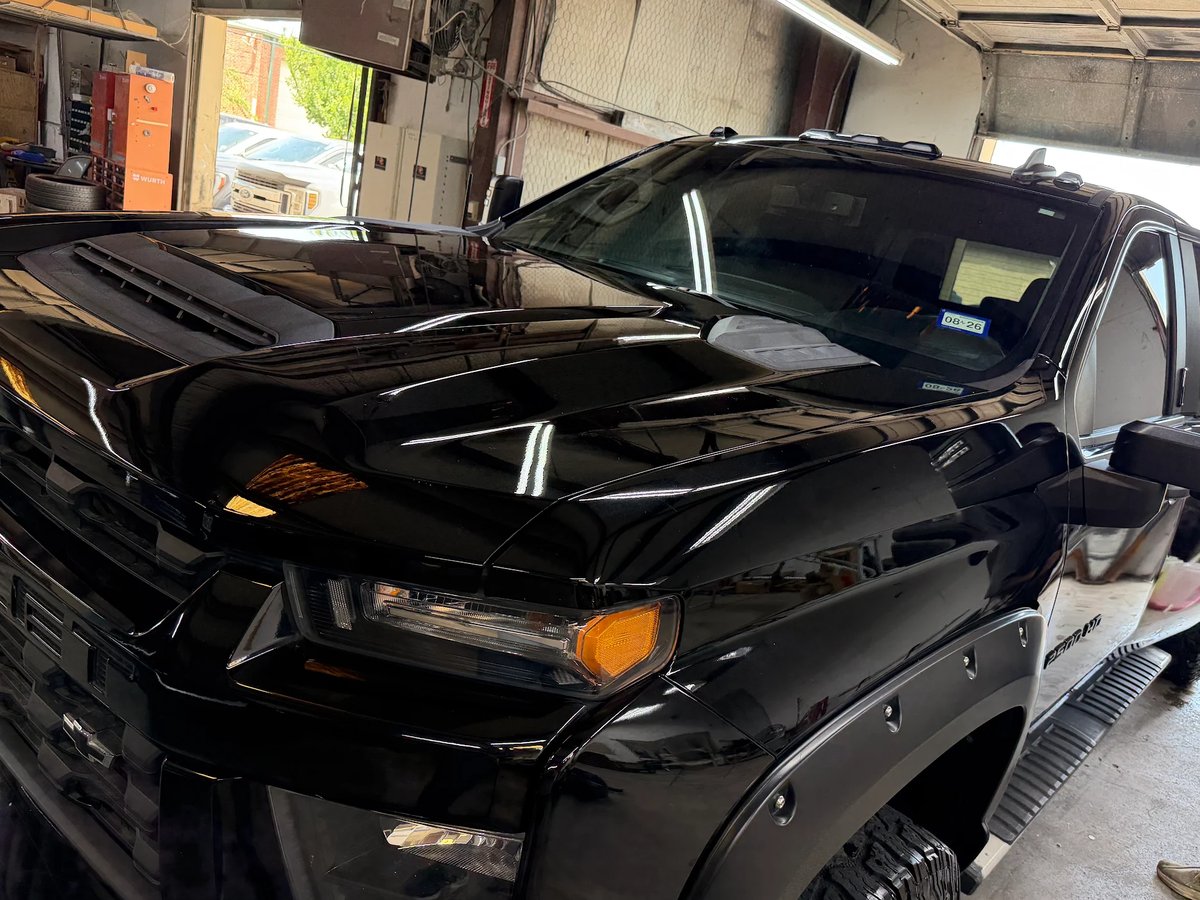
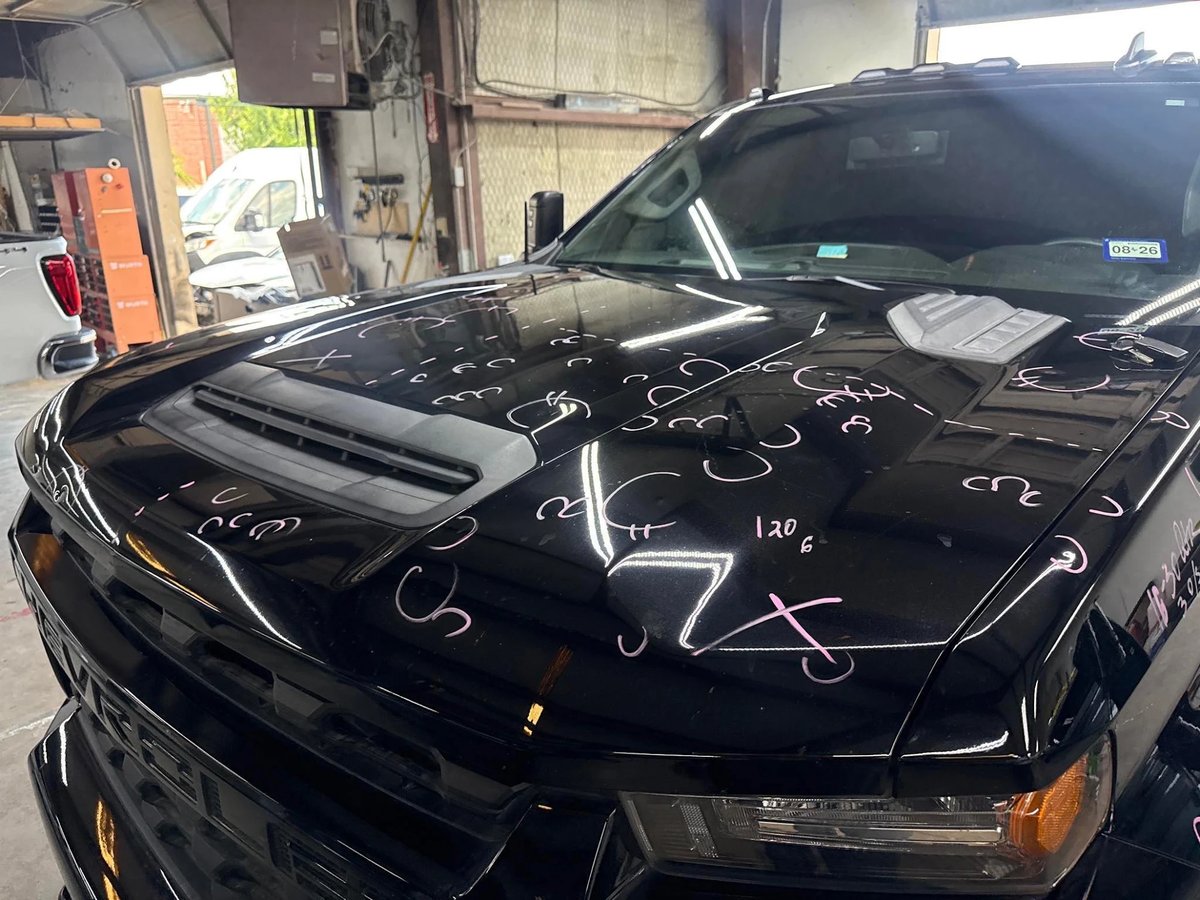
Hood PDR — Counted Dent By Dent
Pictured: a customer’s Chevy Silverado hood — every dent circled under PDR lighting; the count is the estimate
HAIL DAMAGE LIKE THIS ON YOUR CAR?
Free inspection under PDR lighting, a line-item estimate, and straight answers on whether a claim makes sense. Most qualifying comprehensive claims: $0 out of pocket.
Hail Cost Questions
HAIL REPAIR COST FAQ
About The Author
Shah Jiwani — Owner, DG Collision Center
Shah has 30+ years of hands-on DFW collision-repair experience. He joined DG Collision in the 1990s, earned equity over time, and took over as owner in 2005. He is I-CAR Gold Class Certified, PPG Certified Refinish, and Sherwin-Williams Automotive Certified. Every guide on this site is written or reviewed based on what we actually see in the shop — not aggregated from other blogs.
Read Shah’s full bio & credentials →Free · No Obligation
GET YOUR FREE HAIL ESTIMATE
Tell us what you drive and how the hail hit it. We'll call you back as fast as possible with a real repair range and straight advice on whether a claim makes sense.
Prefer to talk now? Call (972) 219-0864 · or text us photos